
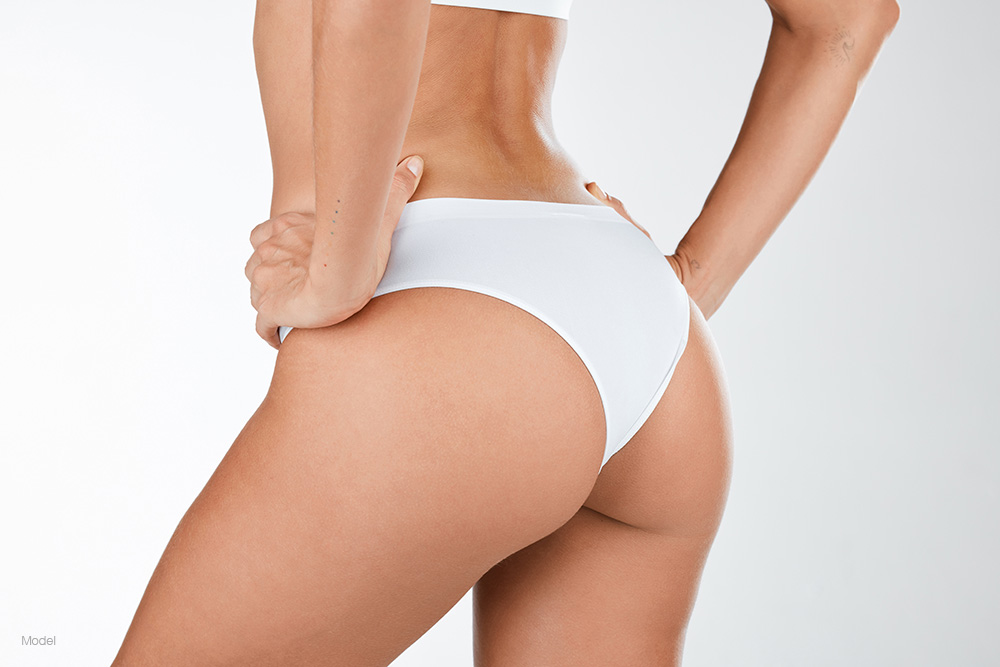
A Brazilian Butt Lift, or BBL, is a cosmetic surgery that extracts fat and injects it into your buttocks. While the procedure often creates a more defined figure and increases confidence, it’s an invasive procedure. Thus, like any surgery, it carries certain risks.
If you’re considering a BBL, you may have seen headlines discussing complications, read conflicting information online, or heard that BBL surgery is inherently riskier than other cosmetic procedures; you’d be justified in having anxiety about the procedure. However, modern techniques, improved safety protocols, and careful surgeon selection significantly reduce those risks.
Understanding what makes BBL surgery safer, as well as what to look for when choosing a provider, can help you make a confident, informed decision.
Table of Contents
-
What Patients Need to Know About Brazilian Butt Lift Safety
Potential Risks of a Brazilian Butt Lift
How Surgeons Reduce Brazilian Butt Lift Risks
Are Brazilian Butt Lifts Safer Today?
What to Expect During Recovery
Are There Safer Alternatives to a BBL?
What Patients Need to Know About Brazilian Butt Lift Safety
A Brazilian Butt Lift improves the shape and fullness of your buttocks by using fat transferred from other parts of your body. Fat is removed from areas such as the abdomen, flanks, or thighs, purified, and then carefully injected into the buttocks to create a fuller, more balanced body contour.
However, this process is not without important safety considerations. The primary safety concern historically associated with BBL surgery is fat embolism. This life-threatening complication occurs when fat enters your bloodstream and travels to your lungs. Although rare, it’s one of the many reasons why BBL safety has received so much attention and debate in recent years.
Potential Risks of a Brazilian Butt Lift
While a BBL can deliver beautiful, natural-looking results, it’s important to understand its potential risks. Being informed helps you evaluate providers and choose a surgeon focused on safety.
Potential risks include:
- Fat embolism (rare but serious)
- Infection
- Bleeding
- Fluid accumulation (seroma)
- Fat necrosis (firm areas of fat)
- Prolonged swelling
- Anesthesia-related risks
Seroma, or fluid accumulation, is a buildup of clear fluid that may appear under your skin after BBL surgery. It can develop because your body naturally produces fluid during healing, especially in liposuction zones. Early movement or activity can increase fluid buildup. Signs include swelling in one area, a soft or “water balloon” sensation, and mild discomfort or pressure. However, seromas generally resolve on their own. If it’s on the larger side, your surgeon may drain it with a small, painless needle.
Fat necrosis occurs when some of the transferred fat doesn’t survive. When fat cells don’t get enough blood supply, they harden and form small, painless, firm areas. Pressure on the area during recovery may increase the risk. Fat necrosis is harmless, mainly being a cosmetic issue that softens over time. In rare cases, treatment may involve massage, steroid injections, or removal.
Most complications are uncommon, especially when surgery is performed by an experienced cosmetic surgeon using modern safety protocols. While frustrating, issues such as asymmetry, irregular contour, or fat loss are aesthetic concerns rather than medical emergencies.
How Surgeons Reduce Brazilian Butt Lift Risks
BBL safety has improved dramatically due to advancements in surgical technique. One of the most important changes is the current emphasis on superficial fat injection. Injecting fat above the muscle significantly lowers the chance of fat entering major blood vessels. Modern injection techniques focus on greater control and precision, helping surgeons place fat more safely and reduce the risk of complications.
Other safety-focused practices include:
Careful Patient Selection
Not everyone is an ideal candidate for a BBL. During a consultation, surgeons typically evaluate numerous factors, such as:
- Overall health
- BMI and body composition
- Existing medical conditions
- Smoking status
- Skin elasticity
- Available donor fat
Selecting appropriate candidates reduces surgical risk and improves outcomes. Even if you qualify for BBL surgery, it’s important to manage your expectations and follow recovery instructions closely to preserve your results.
Conservative Fat Transfer
Safer BBL procedures often focus on moderate, balanced enhancement rather than large volume transfers. This approach:
- Reduces pressure in the tissues
- Improves fat survival
- Minimizes complications
- Creates more natural-looking results
Advanced Cannula Techniques
Cannulas are small, hollow tubes used to transfer fat during a Brazilian Butt Lift. Nowadays, many surgeons use blunt-tip cannulas for more precise fat placement. Unlike sharp needles, blunt-tip cannulas are rounded at the tip, allowing them to gently move through tissue rather than cutting through blood vessels. These instruments are designed specifically to improve safety during fat grafting procedures.
Are Brazilian Butt Lifts Safer Today?
Brazilian Butt Lift procedures are safer today than ever before due to improved guidelines and surgical techniques. Professional organizations and surgical leaders have emphasized safer fat placement and procedural standards in their operating rooms.
Nowadays, accredited operating facilities hold themselves to strict standards in order to ensure multiple layers of safety. Accreditation means the facility meets current standards for care before, during, and after surgery.
Such facilities have improved safety in the modern day by providing:
Proper Anesthesia Monitoring
Your vital signs, oxygen levels, heart rate, and blood pressure are continuously tracked throughout the procedure to ensure you remain stable and free of complications.
Emergency Preparedness
In the event of sudden issues or complications, accredited centers are equipped with emergency medications, resuscitation gear, and highly trained staff ready to respond quickly.
Sterile Surgical Conditions
Strict sterilization protocols from accredited facilities greatly reduce the risk of infection during and after BBL surgery.
Experienced Medical Staff
Qualified nurses, anesthesia providers, and surgical assistants work together to support the surgeon and monitor your safety throughout the procedure.
Postoperative Safety Protocols
Following surgery, accredited facilities will monitor your recovery, ensuring you’re stable and comfortable, and ready to go home safely.
These standards create a controlled medical environment that helps reduce surgical risks and improve your overall safety during your procedure. Having a better education about modern techniques can enhance your BBL experience.
What to Expect During Recovery
Recovery plays an important role in both safety and results. Following your surgeon’s instructions carefully helps reduce complications and increase the chance of fat survival.
After a Brazilian Butt Lift, you may be instructed to:
- Avoid sitting directly on the buttocks
- Sleep on your stomach or side
- Wear compression garments
- Use a BBL pillow when sitting
- Limit strenuous activity
- Stay hydrated
- Attend follow-up visits
Swelling and bruising are normal. Most patients return to light activity within one to two weeks, while full recovery may take several weeks. Following postoperative instructions carefully helps ensure a smooth recovery.
Are There Safer Alternatives to a BBL?
You may be wondering if there are non-surgical buttock enhancement options acting as alternatives to BBL surgery. While fillers or other treatments do exist, they typically provide more subtle results and may not achieve the same level of contour improvement as fat transfer.
A properly performed Brazilian Butt Lift remains one of the most effective ways to enhance shape using your own natural tissue. The key is choosing a conservative, safety-focused approach and provider.
Choosing the Right Provider in Dallas, TX
The single most important factor in BBL safety is your surgeon. Choosing a qualified, experienced cosmetic surgeon who prioritizes patient safety dramatically reduces risk.
Dr. Prem Patel is a triple board-certified, double fellowship-trained cosmetic surgeon who brings exceptional care to the Colleyville, Sugar Land, and Dallas-Fort Worth areas. Dr. Patel has years of experience performing a variety of cosmetic procedures, especially Brazilian Butt Lifts. At WOW Cosmetics, you can expect open and transparent communication about your specific needs, your cosmetic goals, and highly customized planning about what procedure is truly right for you.
Dr. Patel will provide:
- Vast experience performing Brazilian Butt Lift surgery
- A focus on safety-first techniques
- Access to an accredited surgical facility
- A thorough consultation process
- An honest discussion of risks
- Realistic expectations for results
- An emphasis on proportion and balance
For patients in Dallas, this can make a difference. A responsible surgeon will never rush you into surgery or promise unrealistic results. Instead, they will focus on safe fat transfer, natural contours, and long-term outcomes. Dr. Patel will consider all options and build a unique plan tailored to your body.
Frequently Asked Questions About BBL Safety
Is a Brazilian Butt Lift dangerous?
A Brazilian Butt Lift is surgical and therefore carries risks. However, modern techniques, proper fat placement, and choosing an experienced surgeon significantly reduce the risk of complications. Finding the right provider is the most important safety factor.
How do I make BBL surgery and recovery safer?
You can improve safety by:
- Choosing an experienced cosmetic surgeon
- Following preoperative instructions
- Being honest about medical history
- Avoiding smoking
- Following recovery guidelines carefully
Does sitting too soon increase BBL risks?
Yes. Direct pressure on your buttocks from sitting or sleeping on your back can stress the transferred fat, reducing its fat survival and potentially affecting results. You should avoid sitting directly on your buttocks for two weeks and use a BBL pillow when necessary.
What are red flags to look out for after BBL surgery?
Early communication helps address issues quickly. You should contact your surgeon if you experience:
- Sudden shortness of breath
- Severe swelling on one side
- High fever
- Increasing pain
- Redness or warmth
- Unusual drainage
- Persistent hard lumps
Is a BBL safer than implants?
Since a BBL uses your own fat rather than foreign implants, implant-related risks, such as rupture or shifting, are eliminated. However, both procedures carry surgical risks that should be discussed during consultation.
Who should not get a Brazilian Butt Lift?
Patients with certain medical conditions, frequent smoking habits, very low body fat, or unrealistic expectations may not be ideal candidates. A consultation helps determine whether a BBL is appropriate and safe.
Want to Learn More About BBL Safety in Dallas, TX?
If you’re considering a Brazilian Butt Lift, the best way to understand your safety profile is through a personalized consultation. Your anatomy, goals, and overall health all influence how the procedure is performed and how risks are minimized.
Dr. Patel will focus on balanced, natural-looking enhancement while prioritizing your safety at every step. Choosing WOW Cosmetic Surgery means you’ll receive a thorough evaluation, honest guidance, and a customized BBL treatment plan designed around your aesthetic goals.
To learn more about BBL surgery and what procedures are right for you, schedule your consultation with Dr. Patel by calling (833) DR WOW MD or completing our online contact form.